ESG Importance for Modern E-Commerce Brands | Cognitute

Why Environmental Social Governance (ESG) Matters for E-Commerce Organizations.
%20Matters%20for%20E-Commerce%20Organizations%20(1)%20(1).webp)
May 27, 2025
ESG & Sustainability
Why ESG Matters for E-Commerce Building Sustainable and Responsible Businesses
In the period leading up to 2020, the onset of the Covid-19 pandemic disrupted global supply chains and forced the rapid reorganization of manufacturing processes as companies struggled to keep products available. Amid widespread uncertainty, sustainable practices temporarily took a backseat as single-use plastics and expedited logistics were prioritized in response to health and safety guidance. As global operations have stabilized in the years since, organizations are now reassessing green business practices that were paused or deprioritized during this period.
ESG, also known as Environmental Social Governance, continues to reshape consumer and investor mindsets and, more importantly, the way businesses operate. Environmental, social, and governance considerations have long influenced corporate behavior, but recent years have demonstrated that responsible practices can serve as a meaningful source of competitive advantage.
While often dismissed in the past as a buzzword, corporate responsibility is now a material business consideration. Companies face expanding regulatory expectations and heightened scrutiny from consumers and investors. At the same time, organizations that uphold ESG principles are increasingly able to build trust, strengthen brand credibility, and advance broader business objectives.
This raises an important question. What do ESG standards mean for e-commerce business models today, and how can e-commerce organizations embed ESG considerations into long-term operating strategies. Or do they need to do so at all. To answer this, it is necessary to examine the evolving e-commerce landscape and the role ESG plays in shaping responsible growth.
Understanding ESG Sustainability
Historical Foundations of ESG Standards
At its core, ESG stands for environmental, social, and governance. The concept was formally introduced through research led by a non-profit organization known as the Global Impact Initiative. In 2004, ESG was presented as a framework to evaluate the sustainability of companies and countries in a report titled “Who Cares Wins Connecting Financial Markets to a Changing World.” Alongside the Freshfields report developed in collaboration with UNEP FI, these efforts contributed to the formation of the Principles for Responsible Investment at the New York Stock Exchange and the launch of the Sustainable Stock Exchange Initiative in 2007.
Together, these initiatives argued that integrating ESG principles into capital markets supports sustainable and productive business practices, delivers positive outcomes for investors, and improves broader societal well-being. These foundational ideas continue to underpin ESG adoption across industries in 2026.
Breaking Down the Acronym: Environmental, Social and Governance
Environmental
The environmental pillar of ESG evaluates an organization’s environmental footprint. Sustainable companies are expected to use energy efficiently, reduce pollution, limit waste, and manage natural resources responsibly. Environmental performance is also assessed based on improvement initiatives, including the adoption of renewable energy sources, circular production models, and lower-emission transportation and logistics solutions.
Social
The social pillar examines how organizations interact with employees, customers, suppliers, and communities. This includes labor practices, diversity and inclusion, employee health and safety, and the broader social impact of daily operations. As stakeholder expectations evolve, social responsibility has become increasingly central to brand reputation and workforce engagement.
Governance
The governance pillar refers to the systems and processes used to direct and control an organization. Governance assessments typically consider compliance with regulations, transparency, executive compensation structures, board oversight, and accounting practices. Strong governance ensures accountability and alignment with stakeholder interests.

The E-Commerce Landscape
Consequences of Unprecedented Growth
Online shopping has expanded rapidly over the past decade, reshaping consumer behavior and purchasing expectations. E-commerce has enabled consumers to access products conveniently through digital platforms, with delivery directly to their homes. Growth in global e-commerce has remained strong through the mid 2020s, reflecting sustained demand for online channels well beyond the pandemic period.
However, the environmental cost of this convenience has become increasingly visible. According to research by BCG and the World Retail Congress, retailers remain among the largest contributors to plastic packaging usage, accounting for a significant share of global plastic consumption. In addition, retail supply chains continue to contribute materially to global emissions, underscoring the environmental impact of last-mile delivery, warehousing, and fulfillment operations.
While these numbers may seem large they show no signs of dropping. It thus becomes apparent that from carbon emissions produced during the production process to leftover waste resulting from unsustainable packaging, e-commerce businesses need ESG management structures in place now more than ever.
Benefits of an ESG Business Model
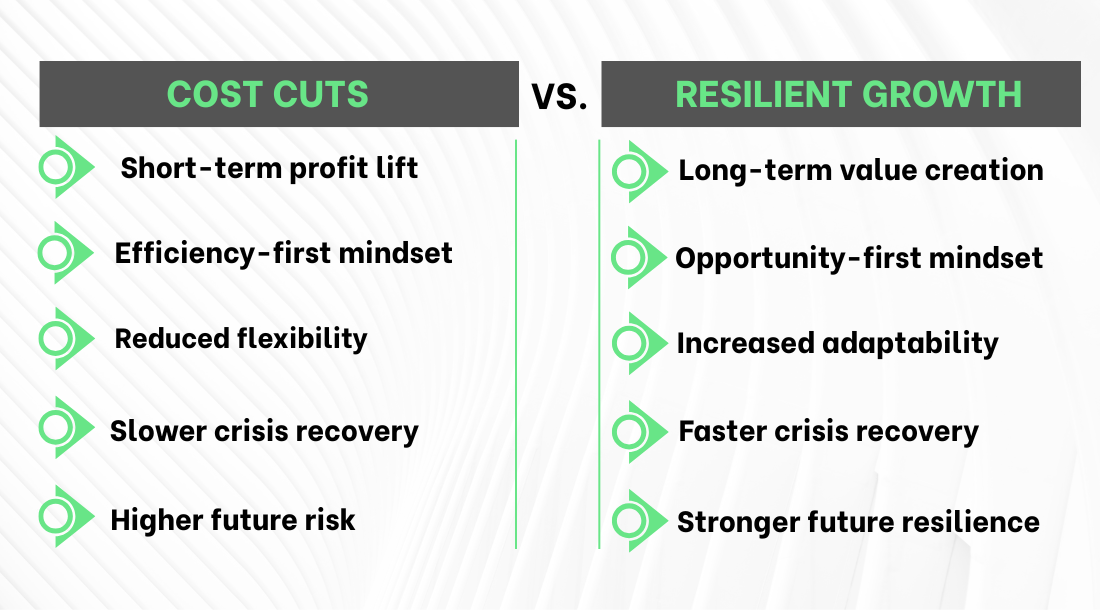
ESG offers long-term value creation opportunities and remains an important consideration in strategic decision-making. Contrary to the perception that ESG initiatives hinder growth, responsible governance increasingly supports commercial performance. The following areas illustrate how ESG influences business outcomes.
Enter an expanding market
Now is the time for companies across all industries to take note of the changing landscape and recognize that green initiatives can show profitable returns. Consumers are increasingly becoming more conscious of their buying choices. They want businesses to walk the talk - implement ethical practices and support more sustainable manufacturing goals and processes. By investing in and implementing green initiatives, companies of all sizes can tap into a new market segment, satisfy increasing consumer demands, catalyze brand visibility and differentiate themselves in the marketplace.
Reduce operation costs
An ESG proposition reduces operation costs and improves operational excellence by lowering energy consumption, minimizing water intake and simplifying waste management. Shifting the way a company is conducted will not only create more capital in the long run but will also boost a company's reputation and its bottom line.
Uphold shareholder confidence
Transparency and open communication are the key ingredients for a healthy relationship with your shareholders. Today's investor wants to not only know that the company he or she is placing money in is a profitable business, but they also want to know what that company can contribute positively by adopting ESG management practices.
Build stronger relationships with government entities
Companies with a sound ESG record can gain strategic freedom from regulators by offering stronger external-value propositions. The implications of this are profound. Strength in ESG can help reduce the risk of adverse government action and engender support from policymakers, helping companies reach their goals with fewer roadblocks in the way.
Future-proof company investments
Progress is key to keeping a supply chain running smoothly. Companies must identify potential vulnerabilities and take appropriate steps to avoid disruptions by adopting sustainable practices. A supply chain hit by sudden shortages of materials or one that can't adapt quickly to changing consumer demand will struggle to maintain its competitive edge in this new economy.
Why the Time is Now
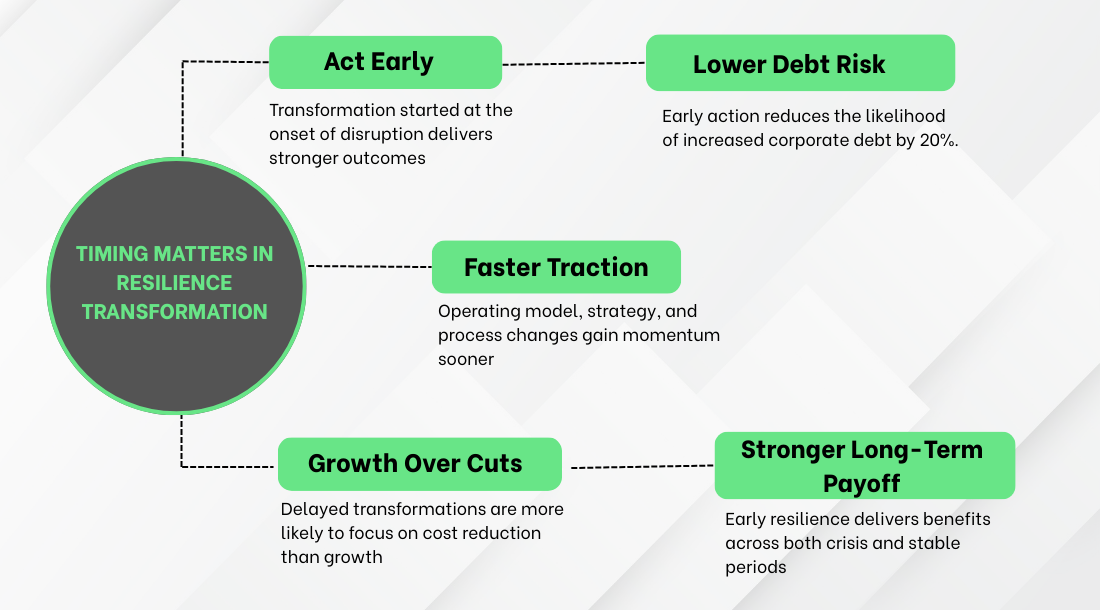
The challenges of ESG have become increasingly relevant over the last few decades. As such, companies find themselves under greater pressure to manage ESG risks—and opportunities. In addition to increasing competitiveness, lowering risk and complying with new regulations, companies will gain ground with consumers and investors by emphasizing their environmental and social responsibility. There is no doubt that setting up sustainable practices is key to achieving long-term success, however, how does one become an ESG company?
Putting an ESG Strategy into Place
Acknowledging a need for change is step one toward building out an ESG strategy. Step two requires companies to develop a plan using the following steps.
Recognize pain points
This process should include the complete lifetime of a product, from raw materials to manufacturing to distribution and disposal. Companies should examine their sites as well as those of their suppliers to identify social and environmental impacts while keeping in mind how consumers close the cycle. Some questions to consider include: what industry framework is the company working within and what are its limitations, what pain points is the company responsible for creating, and lastly how are competitors approaching these concerns.
Organize priorities to drive strategic actions
Once the key issues have been established it’s time to filter and rank each of the company’s pain points. To evaluate each issue, the company must assess both its materiality and whether the company has the ability to control and influence the outcome. This will help create action programs to meet corporate objectives.
Conceptualize and collaborate
ESG sustainability requires companies to reimagine the way they position themselves, conduct business, and create product offerings. However, driving change requires partnerships. As such collaboration is essential for creating a sustainable business model. In order to tackle large-scale social and environmental issues, it is necessary to look beyond internal operations to create new ecosystems of stakeholders and collaborators who can help the business achieve its goals.
Measure and share success stories and setbacks
Transparency is an approach valued by consumers, investors and regulators alike. Celebrating progress is important however acknowledging growth opportunities demonstrates a commitment to positive change. By creating a narrative around the impact of ESG initiatives, companies stay accountable and enable themselves to steadily progress towards their vision.

Parting Words
The biggest ESG risk companies can make is ignoring the worldwide call for action. Companies should make environmental, social, and governance concerns a core part of their strategy - not as a distraction but as a source of value. ESG can create value by helping companies strengthen their customer relationships, reduce production costs, improve operational efficiency and effectiveness, guide resource allocation decisions, and enable better communications with investors and governing bodies. With growing awareness there is no better time to make a positive ESG impact than now.
Authors

Content Strategy Consultant